Bluetooth Headphones's History History Of Bluetooth Headphones
페이지 정보
작성자 Jana 댓글 0건 조회 297회 작성일 24-04-13 14:24본문
What to Look For in Bluetooth Headphones
Bluetooth headphones use a wireless communication technology that uses low power radio transmission signals to transmit audio. These signals are converted into analog audio by the built-in DACs and then transmitted to the headphone drivers for output as sound waves.
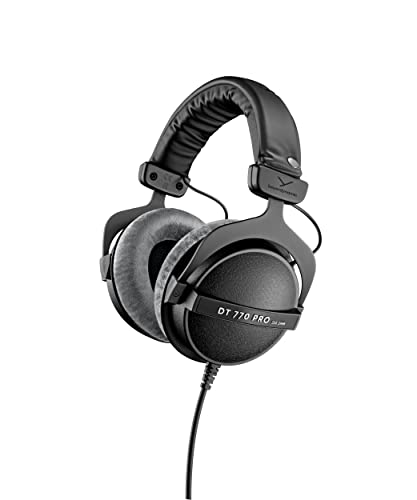 First, you must pair your Bluetooth headphones running (visit the next site). The pairing process creates a connection between the headset device and parent device.
Audio Quality
Bluetooth utilizes radio waves with a short range to transmit audio data, eliminating the need for wires. Its range is up to 30 feet, Headphones Running which is ideal to use around your home. It prevents your music from cutting out when you move from room to room. It also helps to reduce interference from other Bluetooth devices to a minimum, so your headphones won't get flooded with other sounds that can distract you from the music you're enjoying.
Bluetooth was not intended to be used for audio entertainment. Its limited bandwidth makes it to compress music files in order to transmit wirelessly. This may be fine for phone conversations but it affects the quality of your audio experience.
To counter this, some headphones come equipped with aptX or aptX HD audio codecs that can eliminate the need for compression of data. This allows for a more accurate and natural representation of the audio file. It is now possible to enjoy high-resolution music over Bluetooth. These higher-quality Bluetooth codecs are supported by a wide range of audio applications and music services, including Spotify and Apple Music.
The best bluetooth headphones will have at a minimum a basic audio codec like SBC However, many have more advanced audio codecs to ensure compatibility with all your audio requirements. If you intend to use your headphones bluetooth to stream videos from YouTube or Netflix select a pair that supports aptX Low Latency or aptXHD. This will allow the audio and video to sync, providing a more immersive listening experience.
The Sony WH1000XM5 headphones is the most efficient Bluetooth headphones with great sound quality. They are a worthy winner of our Product of the Year award and offer a high-quality experience that rivals cannot match. The noise cancellation is superior and the app experience is superb. If you're willing to spend more than the Bowers & Wilkins Px7 S2 headphones are another great option with a superior design and a stunning audio quality.
User-Friendliness
Wireless headphones are a great alternative to wired headphones. Bluetooth is an wireless technology that connects devices such as headphones and music players by using short-range radio waves. Bluetooth requires that a transmitter as well as a receiver be connected to an audio source. The source encodes and sends the audio signal to the Bluetooth chip which then broadcasts it over the radio waves to the headphones.
The headphones' Bluetooth receiver decodes the received signal and transforms it into an analog audio signal which can be listened. Then, the headphone's audio amplifier converts the signal to a sufficient voltage to drive its speakers, which creates sound. The majority of Bluetooth headphones have digital-to-analog (DAC) converters to ensure high-quality playback.
The most modern Bluetooth headphones also have an amplifier for headphones built-in to increase the output power to playback music more loudly and reduce distortion levels. Furthermore, many headphones have a built-in microphone for hands-free calls. Some models will also support the Apple-exclusive codec aptX for improved audio quality while streaming movies or podcasts.
Some wireless headphones come with internal storage for data that lets you to store songs and play them without the need of an external audio device. This is great for people who have a music collection that they listen to every day or prefer to not be tied while working out. Transferring and updating songs from internal storage requires a cable. If your tastes in music change, you'll have to replace them.
The Bowers & Wilkins Px7 S2 headphones have been upgraded from their predecessors in 2020 and are now more premium than ever before, yet they still offer a very comfortable design for long listening sessions, and an engaging and neutral sound that stands out in a competitive class. They have a long battery life with fast charging, and they support aptX Adaptive or aptX HD codes for audiophiles with sources that allow them. They are also affordable and sport a minimalist, sleek appearance.
Long Battery Life
When you purchase headphones, a long battery life is one of the most important features to look for. You need a pair that will keep you entertained for the duration of a flight, or your daily commute without needing to recharge it.
Thankfully, most Bluetooth headsets are designed to deliver on this promise. In fact, the top choices from our test such as the Cleer Enduro ANC and the Sennheiser Momentum 4 Wireless wireless headphones provide up to 60 hours of playback on a single charge. In our testing these headphones proved to be an excellent value, offering premium audio quality and a lengthy list of features that are desirable at the price of a reasonable amount.
The typical pair of Bluetooth headphones will provide a playback time of about 8 hours on a single charge. However, if you are looking to maximize the amount of time you can listen before having to reconnect them, it is best to choose one that uses high-efficiency charging technology. These models charge in 1.5 to 2 hours, while standard headsets can take up to 3 to 4 times longer to achieve the same amount.
The kind of Bluetooth headphones you select can also have a significant effect on the battery life. The two most common kinds of Bluetooth headsets are Class 2 and Class 1 headsets. Class 2 headsets typically run on the maximum of 2.5 milliwatts of power while Class 1 headsets can use up to 100 milliwatts of power.
Another way to save battery life is by selecting a pair Bluetooth headsets that work with your mobile device. You can find headphones that work with most smartphones, tablets, and computers. You can verify compatibility with the manufacturer's website or by looking through the documentation of your device.
In the beginning, Bluetooth headphones were a mess. They would constantly drop out and it was difficult to pair them, and the audio quality was like the old tin-can phone you used to make when you were a kid. Bluetooth technology has improved and the wireless headsets offer a great sound quality with a wide range of features that make your smartphone or tablet even more useful.
Noise Cancellation
Noise cancelling features are an important feature to look for in bluetooth headphones. The most effective noise cancelling headsets will reduce ambient noise to allow you to concentrate on your audio without distractions. Noise cancelling technology relies on Acoustic separation, which is the use of physical barriers like headsets or ear cups to block out external sounds. The most advanced headsets isolate the sound from the listener's ears and head using multiple microphones.
Modern headphones and headsets are equipped with noise cancellation. You can control the amount of noise cancellation using the built-in controls or through an app. Many headphones and headsets let you hear ambient sounds, which is ideal for commutes or when working in an office.
The Headphone Audio Profile (HSP) is used to transform the digital audio signal transmitted by the Bluetooth transmitter into analog. The HSP codec encodes the digital signal into an A2DP format which is then re-modulated onto the Bluetooth UHF carrier wave and sent wirelessly to the receiver on the headset. The Bluetooth receiver decodes the modulation and uses an integrated DAC to convert the A2DP signal back to an analog audio signal which is then transmitted to the headphones' drivers.
The primary distinction between RF headphones and BT is that RF can be affected by other electromagnetic transmissions, while BT makes use of Bluetooth specific frequencies. The most recent Bluetooth 5.0 protocol has reduced the impact of interference however older models could be affected by other electronic devices that produce electromagnetic signals in the same frequency range.
Bluetooth-enabled headsets come in various sizes and Headphones Running styles, including circumaural, over-ear and on-ear. Certain headsets, like the Jawbone Icon XR and Plantronics Discovery 925 are made to be a little more discreet, while others, like the Bose QuietComfort 35 II and TaoTronics SoundLiberty 79, are more flamboyantly styled. The size and shape can be influenced based on the function of a headset. Smaller models are more portable and comfortable for long-term wear.
Bluetooth headphones use a wireless communication technology that uses low power radio transmission signals to transmit audio. These signals are converted into analog audio by the built-in DACs and then transmitted to the headphone drivers for output as sound waves.
First, you must pair your Bluetooth headphones running (visit the next site). The pairing process creates a connection between the headset device and parent device.Audio Quality
Bluetooth utilizes radio waves with a short range to transmit audio data, eliminating the need for wires. Its range is up to 30 feet, Headphones Running which is ideal to use around your home. It prevents your music from cutting out when you move from room to room. It also helps to reduce interference from other Bluetooth devices to a minimum, so your headphones won't get flooded with other sounds that can distract you from the music you're enjoying.
Bluetooth was not intended to be used for audio entertainment. Its limited bandwidth makes it to compress music files in order to transmit wirelessly. This may be fine for phone conversations but it affects the quality of your audio experience.
To counter this, some headphones come equipped with aptX or aptX HD audio codecs that can eliminate the need for compression of data. This allows for a more accurate and natural representation of the audio file. It is now possible to enjoy high-resolution music over Bluetooth. These higher-quality Bluetooth codecs are supported by a wide range of audio applications and music services, including Spotify and Apple Music.
The best bluetooth headphones will have at a minimum a basic audio codec like SBC However, many have more advanced audio codecs to ensure compatibility with all your audio requirements. If you intend to use your headphones bluetooth to stream videos from YouTube or Netflix select a pair that supports aptX Low Latency or aptXHD. This will allow the audio and video to sync, providing a more immersive listening experience.
The Sony WH1000XM5 headphones is the most efficient Bluetooth headphones with great sound quality. They are a worthy winner of our Product of the Year award and offer a high-quality experience that rivals cannot match. The noise cancellation is superior and the app experience is superb. If you're willing to spend more than the Bowers & Wilkins Px7 S2 headphones are another great option with a superior design and a stunning audio quality.
User-Friendliness
Wireless headphones are a great alternative to wired headphones. Bluetooth is an wireless technology that connects devices such as headphones and music players by using short-range radio waves. Bluetooth requires that a transmitter as well as a receiver be connected to an audio source. The source encodes and sends the audio signal to the Bluetooth chip which then broadcasts it over the radio waves to the headphones.
The headphones' Bluetooth receiver decodes the received signal and transforms it into an analog audio signal which can be listened. Then, the headphone's audio amplifier converts the signal to a sufficient voltage to drive its speakers, which creates sound. The majority of Bluetooth headphones have digital-to-analog (DAC) converters to ensure high-quality playback.
The most modern Bluetooth headphones also have an amplifier for headphones built-in to increase the output power to playback music more loudly and reduce distortion levels. Furthermore, many headphones have a built-in microphone for hands-free calls. Some models will also support the Apple-exclusive codec aptX for improved audio quality while streaming movies or podcasts.
Some wireless headphones come with internal storage for data that lets you to store songs and play them without the need of an external audio device. This is great for people who have a music collection that they listen to every day or prefer to not be tied while working out. Transferring and updating songs from internal storage requires a cable. If your tastes in music change, you'll have to replace them.
The Bowers & Wilkins Px7 S2 headphones have been upgraded from their predecessors in 2020 and are now more premium than ever before, yet they still offer a very comfortable design for long listening sessions, and an engaging and neutral sound that stands out in a competitive class. They have a long battery life with fast charging, and they support aptX Adaptive or aptX HD codes for audiophiles with sources that allow them. They are also affordable and sport a minimalist, sleek appearance.
Long Battery Life
When you purchase headphones, a long battery life is one of the most important features to look for. You need a pair that will keep you entertained for the duration of a flight, or your daily commute without needing to recharge it.
Thankfully, most Bluetooth headsets are designed to deliver on this promise. In fact, the top choices from our test such as the Cleer Enduro ANC and the Sennheiser Momentum 4 Wireless wireless headphones provide up to 60 hours of playback on a single charge. In our testing these headphones proved to be an excellent value, offering premium audio quality and a lengthy list of features that are desirable at the price of a reasonable amount.
The typical pair of Bluetooth headphones will provide a playback time of about 8 hours on a single charge. However, if you are looking to maximize the amount of time you can listen before having to reconnect them, it is best to choose one that uses high-efficiency charging technology. These models charge in 1.5 to 2 hours, while standard headsets can take up to 3 to 4 times longer to achieve the same amount.
The kind of Bluetooth headphones you select can also have a significant effect on the battery life. The two most common kinds of Bluetooth headsets are Class 2 and Class 1 headsets. Class 2 headsets typically run on the maximum of 2.5 milliwatts of power while Class 1 headsets can use up to 100 milliwatts of power.
Another way to save battery life is by selecting a pair Bluetooth headsets that work with your mobile device. You can find headphones that work with most smartphones, tablets, and computers. You can verify compatibility with the manufacturer's website or by looking through the documentation of your device.
In the beginning, Bluetooth headphones were a mess. They would constantly drop out and it was difficult to pair them, and the audio quality was like the old tin-can phone you used to make when you were a kid. Bluetooth technology has improved and the wireless headsets offer a great sound quality with a wide range of features that make your smartphone or tablet even more useful.
Noise Cancellation
Noise cancelling features are an important feature to look for in bluetooth headphones. The most effective noise cancelling headsets will reduce ambient noise to allow you to concentrate on your audio without distractions. Noise cancelling technology relies on Acoustic separation, which is the use of physical barriers like headsets or ear cups to block out external sounds. The most advanced headsets isolate the sound from the listener's ears and head using multiple microphones.
Modern headphones and headsets are equipped with noise cancellation. You can control the amount of noise cancellation using the built-in controls or through an app. Many headphones and headsets let you hear ambient sounds, which is ideal for commutes or when working in an office.
The Headphone Audio Profile (HSP) is used to transform the digital audio signal transmitted by the Bluetooth transmitter into analog. The HSP codec encodes the digital signal into an A2DP format which is then re-modulated onto the Bluetooth UHF carrier wave and sent wirelessly to the receiver on the headset. The Bluetooth receiver decodes the modulation and uses an integrated DAC to convert the A2DP signal back to an analog audio signal which is then transmitted to the headphones' drivers.
The primary distinction between RF headphones and BT is that RF can be affected by other electromagnetic transmissions, while BT makes use of Bluetooth specific frequencies. The most recent Bluetooth 5.0 protocol has reduced the impact of interference however older models could be affected by other electronic devices that produce electromagnetic signals in the same frequency range.
Bluetooth-enabled headsets come in various sizes and Headphones Running styles, including circumaural, over-ear and on-ear. Certain headsets, like the Jawbone Icon XR and Plantronics Discovery 925 are made to be a little more discreet, while others, like the Bose QuietComfort 35 II and TaoTronics SoundLiberty 79, are more flamboyantly styled. The size and shape can be influenced based on the function of a headset. Smaller models are more portable and comfortable for long-term wear.
댓글목록
등록된 댓글이 없습니다.