15 Top Lidar Vacuum Bloggers You Should Follow
페이지 정보
작성자 Miguel 댓글 0건 조회 371회 작성일 24-04-12 07:01본문
Lidar Navigation for Robot Vacuums
As opposed to cameras Lidar (Light Detection and Lidar vacuum Ranging) sensors emit laser beams that reflect off objects to create real-time maps. Robot vacuums are able to avoid obstacles and optimize their cleaning paths.
This also eliminates the need to manually control your vacuum. Lidar is more expensive than vacuums that have simpler navigation systems.
Precise Navigation
The accuracy of lidar navigation is an important factor in the market for robot vacuums. It transforms these devices from simple household cleaning tools into smart companions that are reliable, precise, and adaptable. The technology is at the center of countless modern industries and applications that include self-driving cars micro-mobility, smart farming construction, surveying, and construction. Precision navigation is essential for these technologies since it allows machines to know where exactly they are in 3D space, with high accuracy speed, repeatability and confidence.
Lidar is a system that emits laser beams and analyzing the time taken for those beams bounce off nearby objects before returning to the sensor. This enables the system to build a real-time map of its surroundings, which allows for precision navigation, obstacle avoidance and optimized path planning. This allows robot vacuums to navigate more efficiently and effectively making sure that all areas are clean and furniture isn't damaged.
A good lidar robot vacuum and mop system should be able to generate a complete map in the space it operates in that allows it to perform an extensive sweep in one pass. This will help save battery life, as the robot will not have to stop and recharge more often than it would with a less sophisticated scanning system. A lidar robot will be able to recognize when it is crossing an threshold, like going from hardwood flooring to carpeting. This causes the vacuum to lower its suction and lessen the chance that flooring or upholstery might be damaged.
Finally, a high-quality lidar robot should also be able detect drops or ledges and then automatically slow down or stop its movement to prevent falling off and causing damage to itself or the furniture in the room. This feature is crucial when it comes to a vacuum cleaner designed for use on stairs where a fall could be extremely dangerous.
While a few Silicon Valley startup companies are working on lidar sensors made of solid state for robotics, the majority depend on Velodyne's more well-established technology. This technology is expensive to produce in large quantities and has its limitations. However the ability to collect a lot of data quickly is an asset and it's no wonder that a lot of self-driving vehicles and robot vacuums utilize it to get around.
Autonomy
As compared to earlier generations of robot vacuums that used infrared sensors and bumpers to detect obstacles, lidar mapping technology offers superior navigation capabilities. It allows robots to follow optimal cleaning routes and cover the entire area efficiently.
To accomplish this, the lidar sensor emits laser beams that reflect off of surfaces and objects in space. The sensor determines the amount of time it takes for reflections to return to the sensor, and uses this information to create an accurate map of the surrounding. This map is utilized by robot vacuums to identify the locations where dirt and debris have accumulations and helps the machine avoid obstacles like furniture or walls.
Lidar maps can also to keep robots out of getting caught in cords or trapped under furniture with low levels. They are particularly useful in rooms with complex layouts, which can make it difficult for robots to identify obstacles using infrared and ultrasonic sensors on their own. Using a lidar sensor with cameras can further improve the navigation capabilities of robot vacuum cleaners, since these cameras can detect objects that scanners might miss.
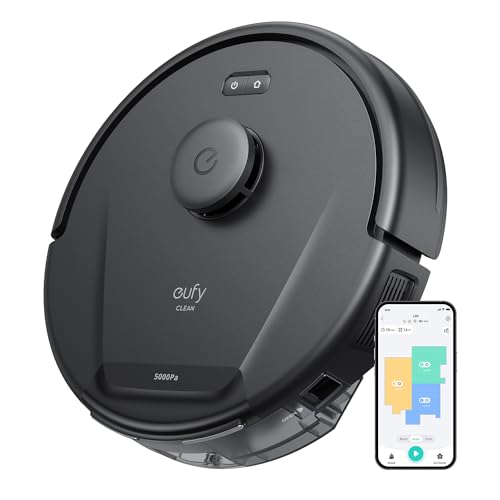 The top LiDAR mapping robot vacuums come with an advanced algorithm that integrates information from multiple sensors to give the most precise information about the environment. The algorithm detects obstacles of different kinds and then plots the best route to get around them. The lidar mapping system isn't confused by objects that are reflective, transparent, or moving, such as furniture.
Regardless of the method of navigation you select regardless of the navigation system you choose, it is essential to keep your robot clean and free of debris and dust which can greatly impact the performance of your robot. It is also important to regularly calibrate the sensors to ensure they're working correctly. If you're unsure of how to do this, refer to the user manual for your robot or contact support for help.
A reliable navigation system can be a vital component of any robotic vacuum but they can be expensive. If you're with a limited budget, you may have to prioritize other features over navigation. This can aid you in finding the ideal robot for your home, without spending a fortune.
Reduced Collision Risks
While robot vacuums have been getting a bad rap for years due to their tendency repeatedly run into walls and other obstacles, current models rely on a combination of laser sensors, cameras and lidar navigation. Unlike radar or sound waves that disperse when they bounce back from objects, the lasers used by lidar can detect even the tiniest of vibrations and measure distances. This information is used to create a 3D image of the surrounding environment, similar to as a map or a point cloud, which allows for smoother navigation and less chance of collisions.
lidar vacuum, just click www.cacha.de, technology is also able to detect objects more accurately than other sensor types and distinguish between shapes, sizes and textures. It can detect small objects on the floor that are often missed by traditional systems. For instance a glass coffee table might appear similar to an lidar scanner and resemble an object, LiDAR Vacuum resulting in the machine assuming one is the other and potentially damaging both.
Lidar is also a good supplement to camera systems that may be blind in certain environments like low-light conditions or sudden shifts in light. Certain high-end robot vacuums use cameras in conjunction with lidar robot vacuum to enhance navigation and mapping.
The sensors used by robots that use lidar are usually smaller and lighter than those used in self-driving vehicles that depend on the technology for a long time to detect their surroundings. The smaller size and weight allows sensors to be put inside the body of a vacuum, which could prevent damage to furniture and making it easier for people to clean under and around items in their home.
Like any technology lidar also has its drawbacks. Privacy experts have stated that robot vacuums equipped with lidar could be a security risk, as the maps they create reveal personal information and the size of a person's house. While this is yet to be confirmed as valid, it is worth taking into consideration when buying a new robotic cleaner.
Enhance User Experience
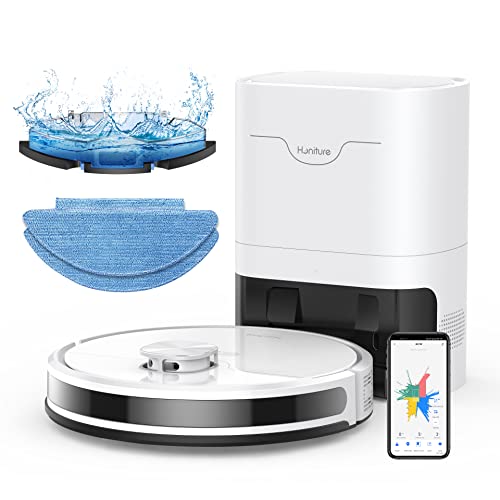 Lidar technology has emerged as an incredibly powerful technology in robotic vacuuming, elevating these devices from simple tools for cleaning to smart household companions. However, while these advancements have made robots more intelligent and efficient, they're not without some limitations. One of these is their ability to navigate through difficult areas like staircases or ledges. This is the point where edge detection comes into. Edge detection allows robots to detect when they are too close to a ledge or an edge and adjust their motion to avoid falling.
This feature is usually activated by bump sensors, which emit an infrared beam that's detected by the sensor whenever it touches or brushes up against an object. The sensors are designed to engage when a small amount force is applied, but they can be overridden if an object with greater mass like furniture or toys, is placed in front of them. This can lead to the robot being sucked under your couch, for instance. Fortunately, the majority of manufacturers have designed their edge-detection systems to be as sensitive as possible to minimize the risk of these issues.
The benefit of a lidar-based navigation system is that it is able to detect objects with greater precision than standard bump sensors. This means that it's less likely to be stuck on objects or in tight spaces and that you'll spend less time 'babysitting' your robot.
The majority of robots equipped with lidar provide more efficient navigation, as well as enhanced detection of objects. This is because lidar can detect small objects that other sensors may miss, which makes it easier to follow an obstacle's path and avoid collisions. In the end, this results in quicker and more efficient cleaning.
Another benefit of lidar is that it can be used at night or in darkness without the requirement for cameras. This is a major plus since it means you can set your robot to clean in the evening or even when you're away from home. You can also be sure that your robot won't be blinded or frightened by dark carpets or dark areas under your couch.
While the benefits of using lidar in robotic vacuums is substantial however privacy concerns have been raised. Researchers have discovered that certain robots that have this sensor can be hacked to become acoustic mics, eavesdropping on your private conversations.
As opposed to cameras Lidar (Light Detection and Lidar vacuum Ranging) sensors emit laser beams that reflect off objects to create real-time maps. Robot vacuums are able to avoid obstacles and optimize their cleaning paths.
This also eliminates the need to manually control your vacuum. Lidar is more expensive than vacuums that have simpler navigation systems.
Precise Navigation
The accuracy of lidar navigation is an important factor in the market for robot vacuums. It transforms these devices from simple household cleaning tools into smart companions that are reliable, precise, and adaptable. The technology is at the center of countless modern industries and applications that include self-driving cars micro-mobility, smart farming construction, surveying, and construction. Precision navigation is essential for these technologies since it allows machines to know where exactly they are in 3D space, with high accuracy speed, repeatability and confidence.
Lidar is a system that emits laser beams and analyzing the time taken for those beams bounce off nearby objects before returning to the sensor. This enables the system to build a real-time map of its surroundings, which allows for precision navigation, obstacle avoidance and optimized path planning. This allows robot vacuums to navigate more efficiently and effectively making sure that all areas are clean and furniture isn't damaged.
A good lidar robot vacuum and mop system should be able to generate a complete map in the space it operates in that allows it to perform an extensive sweep in one pass. This will help save battery life, as the robot will not have to stop and recharge more often than it would with a less sophisticated scanning system. A lidar robot will be able to recognize when it is crossing an threshold, like going from hardwood flooring to carpeting. This causes the vacuum to lower its suction and lessen the chance that flooring or upholstery might be damaged.
Finally, a high-quality lidar robot should also be able detect drops or ledges and then automatically slow down or stop its movement to prevent falling off and causing damage to itself or the furniture in the room. This feature is crucial when it comes to a vacuum cleaner designed for use on stairs where a fall could be extremely dangerous.
While a few Silicon Valley startup companies are working on lidar sensors made of solid state for robotics, the majority depend on Velodyne's more well-established technology. This technology is expensive to produce in large quantities and has its limitations. However the ability to collect a lot of data quickly is an asset and it's no wonder that a lot of self-driving vehicles and robot vacuums utilize it to get around.
Autonomy
As compared to earlier generations of robot vacuums that used infrared sensors and bumpers to detect obstacles, lidar mapping technology offers superior navigation capabilities. It allows robots to follow optimal cleaning routes and cover the entire area efficiently.
To accomplish this, the lidar sensor emits laser beams that reflect off of surfaces and objects in space. The sensor determines the amount of time it takes for reflections to return to the sensor, and uses this information to create an accurate map of the surrounding. This map is utilized by robot vacuums to identify the locations where dirt and debris have accumulations and helps the machine avoid obstacles like furniture or walls.
Lidar maps can also to keep robots out of getting caught in cords or trapped under furniture with low levels. They are particularly useful in rooms with complex layouts, which can make it difficult for robots to identify obstacles using infrared and ultrasonic sensors on their own. Using a lidar sensor with cameras can further improve the navigation capabilities of robot vacuum cleaners, since these cameras can detect objects that scanners might miss.
The top LiDAR mapping robot vacuums come with an advanced algorithm that integrates information from multiple sensors to give the most precise information about the environment. The algorithm detects obstacles of different kinds and then plots the best route to get around them. The lidar mapping system isn't confused by objects that are reflective, transparent, or moving, such as furniture.Regardless of the method of navigation you select regardless of the navigation system you choose, it is essential to keep your robot clean and free of debris and dust which can greatly impact the performance of your robot. It is also important to regularly calibrate the sensors to ensure they're working correctly. If you're unsure of how to do this, refer to the user manual for your robot or contact support for help.
A reliable navigation system can be a vital component of any robotic vacuum but they can be expensive. If you're with a limited budget, you may have to prioritize other features over navigation. This can aid you in finding the ideal robot for your home, without spending a fortune.
Reduced Collision Risks
While robot vacuums have been getting a bad rap for years due to their tendency repeatedly run into walls and other obstacles, current models rely on a combination of laser sensors, cameras and lidar navigation. Unlike radar or sound waves that disperse when they bounce back from objects, the lasers used by lidar can detect even the tiniest of vibrations and measure distances. This information is used to create a 3D image of the surrounding environment, similar to as a map or a point cloud, which allows for smoother navigation and less chance of collisions.
lidar vacuum, just click www.cacha.de, technology is also able to detect objects more accurately than other sensor types and distinguish between shapes, sizes and textures. It can detect small objects on the floor that are often missed by traditional systems. For instance a glass coffee table might appear similar to an lidar scanner and resemble an object, LiDAR Vacuum resulting in the machine assuming one is the other and potentially damaging both.
Lidar is also a good supplement to camera systems that may be blind in certain environments like low-light conditions or sudden shifts in light. Certain high-end robot vacuums use cameras in conjunction with lidar robot vacuum to enhance navigation and mapping.
The sensors used by robots that use lidar are usually smaller and lighter than those used in self-driving vehicles that depend on the technology for a long time to detect their surroundings. The smaller size and weight allows sensors to be put inside the body of a vacuum, which could prevent damage to furniture and making it easier for people to clean under and around items in their home.
Like any technology lidar also has its drawbacks. Privacy experts have stated that robot vacuums equipped with lidar could be a security risk, as the maps they create reveal personal information and the size of a person's house. While this is yet to be confirmed as valid, it is worth taking into consideration when buying a new robotic cleaner.
Enhance User Experience
Lidar technology has emerged as an incredibly powerful technology in robotic vacuuming, elevating these devices from simple tools for cleaning to smart household companions. However, while these advancements have made robots more intelligent and efficient, they're not without some limitations. One of these is their ability to navigate through difficult areas like staircases or ledges. This is the point where edge detection comes into. Edge detection allows robots to detect when they are too close to a ledge or an edge and adjust their motion to avoid falling.This feature is usually activated by bump sensors, which emit an infrared beam that's detected by the sensor whenever it touches or brushes up against an object. The sensors are designed to engage when a small amount force is applied, but they can be overridden if an object with greater mass like furniture or toys, is placed in front of them. This can lead to the robot being sucked under your couch, for instance. Fortunately, the majority of manufacturers have designed their edge-detection systems to be as sensitive as possible to minimize the risk of these issues.
The benefit of a lidar-based navigation system is that it is able to detect objects with greater precision than standard bump sensors. This means that it's less likely to be stuck on objects or in tight spaces and that you'll spend less time 'babysitting' your robot.
The majority of robots equipped with lidar provide more efficient navigation, as well as enhanced detection of objects. This is because lidar can detect small objects that other sensors may miss, which makes it easier to follow an obstacle's path and avoid collisions. In the end, this results in quicker and more efficient cleaning.
Another benefit of lidar is that it can be used at night or in darkness without the requirement for cameras. This is a major plus since it means you can set your robot to clean in the evening or even when you're away from home. You can also be sure that your robot won't be blinded or frightened by dark carpets or dark areas under your couch.
While the benefits of using lidar in robotic vacuums is substantial however privacy concerns have been raised. Researchers have discovered that certain robots that have this sensor can be hacked to become acoustic mics, eavesdropping on your private conversations.
댓글목록
등록된 댓글이 없습니다.