A. The Most Common Windows Replacement Debate Isn't As Black And White…
페이지 정보
작성자 Catherine 댓글 0건 조회 366회 작성일 24-04-10 08:02본문
When it's Time for Window Replacement
If old windows don't enhance your home's architecture, protect it from the elements or block out noise, it's time to replace them. What should you do?
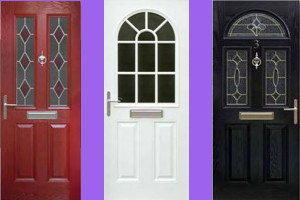 There are a myriad of factors to think about. We'll break down the factors to help you choose the best style, energy usage and labeling, cost installation, and cost.
Energy Efficiency
One of the most popular reasons homeowners decide to invest in new windows is to conserve energy. Actually replacing old windows that are drafty can cut cooling and heating costs by as much as 20 percent. Some people are disappointed when they discover that their energy savings do not pay for the initial cost of their new windows for a long period of time.
Window performance and operation should be the primary factor for any homeowner who is considering window replacement. A window that is not functioning properly can increase the cost of maintenance, energy bills, and also the possibility of air infiltration or leaks. For example windows that do not move up and down or slide side-to-side properly may need to be replaced because the frames have become warped or swollen due to excessive moisture caused by condensation and/or inadequate sealing.
Another indication that windows need to be replaced is the presence of mold or mildew both inside and outside the frame. This usually indicates failed weather stripping or seals that are damaged. Mold and mildew that results from these issues could create health and safety issues for your family members if they aren't addressed immediately.
New replacement windows will also enhance your home's security, curb appeal, and the value of resales. These benefits are enhanced if windows used for renovation are energy efficient as recommended by the National Fenestration Rating Council.
The U-factor is used to determine the energy efficiency of windows. The lower the U factor, the better the insulating power of the window. A U-factor less than 0.26 is a good guideline. The frame's material and design are crucial factors to take into consideration for energy efficiency. Vinyl is a strong, low-maintenance option, but can expand and contract with temperature fluctuations, which can lead to leaks. Wood offers an elegant appearance and superior insulation but requires regular maintenance. Aluminum is lightweight and easy to maintain, however it conducts heat quickly and is not a good insulation.
To get the best results, homeowners should work with a professional window installer to ensure that the new windows are properly installed. A professional can assist you choose the right windows to fit your home's architectural design and climate zone. They can also provide details about resale values and homeowner satisfaction.
Style
New windows always improve the value of a home. It can be a bit overwhelming to think about all the different types styles, styles, and configurations available. The choice isn't only about design or function- choosing the wrong windows can actually hinder a home's resale value.
Window contractors employ various ways to replace frames with more energy-efficient ones depending on their condition. A contractor can replace the frame's exterior with pockets. The interior trim and sashes are left intact. Sash pack replacement is another method that is usually recommended for older houses or historical areas where grilles are required. These are kits that come with aluminum jamb or wood liners and upvc replacement window handles sash for the lower and upper parts of the window.
Another option is to put in full-frame replacement windows. These require removing the entire existing frame and sash. This is recommended if windows in place are no longer repairable. Full-frame windows are also recommended when homeowners are looking to change the style of window, for instance by replacing double-hungs with sliders or cases.
When buying replacement windows, search for windows with the NFRC label, which indicates the window's energy efficiency rating. The higher the rating is, the more efficient the window.
Take out the stops that secure your window before installing the new one. Be careful when working around the sill of the existing frame to ensure you don't damage the wood, and if required, shim the window. After the window has been put in and shimmed, you can shim both the top and bottom edge to ensure a tight fitting. Apply caulk to the outside edge of the window to make it waterproof.
Fill any gaps greater than 0.64 cm (0.24 in) by using a foam-rubber backing rod. This is a better option instead of caulk, which can trap moisture and lead to mold and wood rot. If your gaps are wider, you can add furring strips that measure 1 inch (2.5cm) to the existing frame. This will increase the height.
Budget
Window replacement is a significant investment, but the energy efficiency and enhanced home comfort it provides makes it worth the initial investment. It can also boost the value of your house and lower your utility costs. Before you begin your project, you need to establish a budget to guide your spending decisions. To help you determine the amount, think about your household's energy needs and the type of windows you want to install. A reputable windows contractor can provide insight into your expenses that are not related to your personal goals and make suggestions to cut them down.
Window frame materials are one of the main factors that affect the price of replacement windows. Vinyl and aluminum are the most affordable alternatives, whereas composite, wood and fiberglass frames are more expensive. Take into consideration the advantages and disadvantages of each frame material to help you decide the most suitable option for your home. For instance, wood windows are more durable and offer superior insulation, however they're susceptible to damage from moisture and require regular maintenance. Vinyl and aluminum windows are less expensive, but they're vulnerable to rusting and don't offer the same amount of insulation as wood windows.
Your window replacement company may provide a variety of installation methods, which can affect the total cost. The most labor intensive is a complete frame replacement. This involves taking down the entire window and replacing it with a new unit. This is usually recommended when your existing frames have begun to rot or are damaged and is often necessary for historic renovation projects. Insert window replacement is a less expensive alternative. In the process, the old sash, operating hardware, and exterior trim are removed. However, the exterior trim and siding remain intact. A new window unit is then placed into the opening and anchored to the wall, then insulated and sealed.
If you're tackling the job yourself, make sure you include the cost of the equipment you'll need. A tape measure, a shim that is waterproof and a caulk gun are essential. Purchase shims of different thicknesses for your window sills, head jambs, and other sizes. You'll also need elastomeric caulk to cover any gaps around the frame and the casing.
Installation
Windows are available in various sizes and shapes, to fit the architectural style of every home. The options include double-hung, single-hung sliding bay bow, casement circle garden, awning, jalousie and egress windows. They are also available in a variety of materials and finishes. Some are also insulated to promote energy efficiency.
If your windows are damaged, rotting or inefficient You can save money by replacing them with new energy-efficient double-hung replacement windows. The process is fairly simple however the results are well worth it. You'll also reap the advantages of having a gorgeous new window.
Remove the screen and sash before installing the new window. This will ease the manipulation of the frame, and also prevent damage to the materials. You'll need caulk to secure the frame on both sides and any gaps, if there are any. Use the caulk recommended by the manufacturer.
Based on your personal preferences and the condition of your existing frame, you could opt to use cedar or plastic shims to ensure that the window is placed correctly in the opening. Be cautious not to over-shim the window, however, as this could cause water and condensation to build within the frame and fitting deteriorate the materials.
After the window has been installed, your installer will ensure that the frame is level and well caulked and plumb. Install any trim that was removed from the interior to allow for the window. Paint or stain the new window to match the color scheme of your home. Seal and insulate your sill, jambs and flanges on the exterior of your home for better window performance.
If old windows don't enhance your home's architecture, protect it from the elements or block out noise, it's time to replace them. What should you do?
There are a myriad of factors to think about. We'll break down the factors to help you choose the best style, energy usage and labeling, cost installation, and cost.Energy Efficiency
One of the most popular reasons homeowners decide to invest in new windows is to conserve energy. Actually replacing old windows that are drafty can cut cooling and heating costs by as much as 20 percent. Some people are disappointed when they discover that their energy savings do not pay for the initial cost of their new windows for a long period of time.
Window performance and operation should be the primary factor for any homeowner who is considering window replacement. A window that is not functioning properly can increase the cost of maintenance, energy bills, and also the possibility of air infiltration or leaks. For example windows that do not move up and down or slide side-to-side properly may need to be replaced because the frames have become warped or swollen due to excessive moisture caused by condensation and/or inadequate sealing.
Another indication that windows need to be replaced is the presence of mold or mildew both inside and outside the frame. This usually indicates failed weather stripping or seals that are damaged. Mold and mildew that results from these issues could create health and safety issues for your family members if they aren't addressed immediately.
New replacement windows will also enhance your home's security, curb appeal, and the value of resales. These benefits are enhanced if windows used for renovation are energy efficient as recommended by the National Fenestration Rating Council.
The U-factor is used to determine the energy efficiency of windows. The lower the U factor, the better the insulating power of the window. A U-factor less than 0.26 is a good guideline. The frame's material and design are crucial factors to take into consideration for energy efficiency. Vinyl is a strong, low-maintenance option, but can expand and contract with temperature fluctuations, which can lead to leaks. Wood offers an elegant appearance and superior insulation but requires regular maintenance. Aluminum is lightweight and easy to maintain, however it conducts heat quickly and is not a good insulation.
To get the best results, homeowners should work with a professional window installer to ensure that the new windows are properly installed. A professional can assist you choose the right windows to fit your home's architectural design and climate zone. They can also provide details about resale values and homeowner satisfaction.
Style
New windows always improve the value of a home. It can be a bit overwhelming to think about all the different types styles, styles, and configurations available. The choice isn't only about design or function- choosing the wrong windows can actually hinder a home's resale value.
Window contractors employ various ways to replace frames with more energy-efficient ones depending on their condition. A contractor can replace the frame's exterior with pockets. The interior trim and sashes are left intact. Sash pack replacement is another method that is usually recommended for older houses or historical areas where grilles are required. These are kits that come with aluminum jamb or wood liners and upvc replacement window handles sash for the lower and upper parts of the window.
Another option is to put in full-frame replacement windows. These require removing the entire existing frame and sash. This is recommended if windows in place are no longer repairable. Full-frame windows are also recommended when homeowners are looking to change the style of window, for instance by replacing double-hungs with sliders or cases.
When buying replacement windows, search for windows with the NFRC label, which indicates the window's energy efficiency rating. The higher the rating is, the more efficient the window.
Take out the stops that secure your window before installing the new one. Be careful when working around the sill of the existing frame to ensure you don't damage the wood, and if required, shim the window. After the window has been put in and shimmed, you can shim both the top and bottom edge to ensure a tight fitting. Apply caulk to the outside edge of the window to make it waterproof.
Fill any gaps greater than 0.64 cm (0.24 in) by using a foam-rubber backing rod. This is a better option instead of caulk, which can trap moisture and lead to mold and wood rot. If your gaps are wider, you can add furring strips that measure 1 inch (2.5cm) to the existing frame. This will increase the height.
Budget
Window replacement is a significant investment, but the energy efficiency and enhanced home comfort it provides makes it worth the initial investment. It can also boost the value of your house and lower your utility costs. Before you begin your project, you need to establish a budget to guide your spending decisions. To help you determine the amount, think about your household's energy needs and the type of windows you want to install. A reputable windows contractor can provide insight into your expenses that are not related to your personal goals and make suggestions to cut them down.
Window frame materials are one of the main factors that affect the price of replacement windows. Vinyl and aluminum are the most affordable alternatives, whereas composite, wood and fiberglass frames are more expensive. Take into consideration the advantages and disadvantages of each frame material to help you decide the most suitable option for your home. For instance, wood windows are more durable and offer superior insulation, however they're susceptible to damage from moisture and require regular maintenance. Vinyl and aluminum windows are less expensive, but they're vulnerable to rusting and don't offer the same amount of insulation as wood windows.
Your window replacement company may provide a variety of installation methods, which can affect the total cost. The most labor intensive is a complete frame replacement. This involves taking down the entire window and replacing it with a new unit. This is usually recommended when your existing frames have begun to rot or are damaged and is often necessary for historic renovation projects. Insert window replacement is a less expensive alternative. In the process, the old sash, operating hardware, and exterior trim are removed. However, the exterior trim and siding remain intact. A new window unit is then placed into the opening and anchored to the wall, then insulated and sealed.
If you're tackling the job yourself, make sure you include the cost of the equipment you'll need. A tape measure, a shim that is waterproof and a caulk gun are essential. Purchase shims of different thicknesses for your window sills, head jambs, and other sizes. You'll also need elastomeric caulk to cover any gaps around the frame and the casing.
Installation
Windows are available in various sizes and shapes, to fit the architectural style of every home. The options include double-hung, single-hung sliding bay bow, casement circle garden, awning, jalousie and egress windows. They are also available in a variety of materials and finishes. Some are also insulated to promote energy efficiency.
If your windows are damaged, rotting or inefficient You can save money by replacing them with new energy-efficient double-hung replacement windows. The process is fairly simple however the results are well worth it. You'll also reap the advantages of having a gorgeous new window.
Remove the screen and sash before installing the new window. This will ease the manipulation of the frame, and also prevent damage to the materials. You'll need caulk to secure the frame on both sides and any gaps, if there are any. Use the caulk recommended by the manufacturer.
Based on your personal preferences and the condition of your existing frame, you could opt to use cedar or plastic shims to ensure that the window is placed correctly in the opening. Be cautious not to over-shim the window, however, as this could cause water and condensation to build within the frame and fitting deteriorate the materials.
After the window has been installed, your installer will ensure that the frame is level and well caulked and plumb. Install any trim that was removed from the interior to allow for the window. Paint or stain the new window to match the color scheme of your home. Seal and insulate your sill, jambs and flanges on the exterior of your home for better window performance.
댓글목록
등록된 댓글이 없습니다.